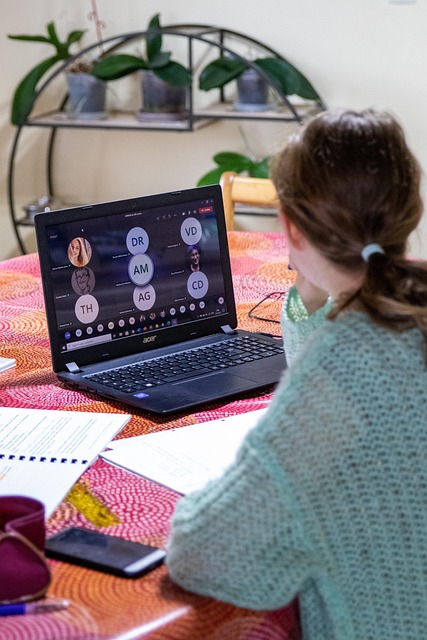
Our webinar series consists of two focused online sessions, each lasting 60 to 75 minutes. Explore the topics, learning outcomes, and structure for both sessions below.
Two structured online sessions designed to deliver practical, research-based knowledge you can apply immediately.
Format
2 Online Sessions
Duration
60–75 Minutes Each
Cost
Completely Free
Recording
Available After Event
Session 1
October 8, 2026 • 19:00 EET
The first session focuses entirely on your physical and digital environment. Research consistently shows that cluttered spaces increase cortisol levels and reduce the ability to focus. During this session, participants will learn how to apply capsule organization principles to every room in their home, creating dedicated zones for work, rest, and creativity. The session also covers digital minimalism strategies that help reduce notification fatigue and screen overwhelm, allowing you to reclaim attention for tasks that matter most. Each concept is illustrated with practical case examples drawn from real-world scenarios, making it easy to implement changes the same day.
Discover the capsule approach to home organization, which involves keeping only essential items in each area. You will learn systematic decluttering frameworks that prevent re-accumulation and help maintain a clean, functional living space over time. The method draws from minimalist design principles and cognitive load theory, reducing the mental effort required to navigate your daily environment.
Learn how to divide your home into purpose-driven zones that support specific activities such as focused work, relaxation, exercise, and creative projects. This topic covers spatial psychology research on how boundary-setting within physical spaces improves task switching and reduces cognitive interference between different types of activities.
Explore methods for reducing digital noise, managing app notifications, and creating screen-free periods during your day. This segment covers research on attention residue and explains how constant digital interruptions fragment your focus. You will develop a personal digital minimalism plan tailored to your devices and habits.
Review real-world case examples that demonstrate how individuals transformed their home environments using capsule organization and digital minimalism. These examples cover small apartments, family homes, and shared living spaces, showing adaptable solutions for a variety of situations and budgets.

Session 2
October 15, 2026 • 19:00 EET
The second session shifts focus from physical spaces to how you structure your hours. Effective time management is not about doing more; it is about doing the right things at the right times. This session introduces time-blocking as a core scheduling strategy, helping participants assign specific tasks to defined periods throughout the day. We also explore task trackers, scheduling applications, and morning routines that set the tone for productive days. The session concludes with an interactive Q&A segment where participants can ask specific questions about their personal productivity challenges and receive tailored suggestions.
Master the art of assigning every hour a purpose. Time-blocking is a scheduling method where you allocate specific blocks of time to individual tasks or task categories. This segment covers different time-blocking styles, from strict 30-minute intervals to flexible theme-based days. You will learn how to align your blocks with your natural energy patterns, placing demanding cognitive work during peak hours and routine tasks during energy dips.
Review various categories of task tracking tools, from simple paper-based systems to comprehensive digital platforms. This segment does not promote specific commercial products but instead explains the features and organizational philosophies behind different approaches. You will learn to evaluate which tracking method suits your workflow, whether you prefer visual boards, list-based trackers, or calendar integrations.
Explore the science behind morning routines and why the first 90 minutes of your day shape your overall productivity. This segment covers research on circadian rhythms, habit stacking, and the role of consistency in building lasting behavioral change. You will create a personalized morning routine template that incorporates movement, focus preparation, and goal review.
Understand how smart home devices can automate repetitive tasks such as lighting adjustments, temperature control, and reminders. This educational overview covers categories of smart devices that support productivity without endorsing specific brands. You will learn evaluation criteria for choosing devices that genuinely save time versus those that add complexity.
The session wraps up with guided exercises that help you apply the concepts in real time, followed by an open Q&A segment. Participants can submit questions about their specific productivity challenges, and the expert will provide personalized suggestions grounded in the frameworks covered throughout both sessions.
Both sessions take place on consecutive Thursdays at 19:00 EET. Mark your calendar and prepare to transform your daily routines.
Thursday, October 8, 2026 • 19:00 EET
One week to practice and implement Session 1 strategies
Thursday, October 15, 2026 • 19:00 EET
Every session follows a consistent structure designed to maximize learning and practical application.
Each session begins with a focused presentation by our invited expert, covering the core topics with visual aids, research references, and clear explanations. The content is structured to build progressively, starting with foundational concepts before moving into advanced strategies. Participants receive research-backed information presented in accessible language, making complex behavioral science findings easy to understand and remember.
Guided exercises allow participants to apply the concepts in real time during the session. These activities include self-assessment tools, planning templates, and reflection prompts that help you translate abstract productivity principles into concrete, personalized action steps. By working through exercises together, participants build confidence in using the methods independently after the webinar concludes. Exercises are designed for all experience levels.
Real-world case examples demonstrate how others have successfully applied these strategies in diverse home environments. The Q&A segment at the end of Session 2 gives you the opportunity to ask questions directly related to your personal situation. This interactive component ensures that the webinar addresses your specific challenges and provides guidance you can act on immediately in your own space.
This webinar series is designed for anyone interested in improving their home productivity, regardless of their current level of organization or experience with time management tools. The content is accessible, practical, and grounded in published research rather than opinion or trend.
People who work from home and want to create an environment that supports sustained focus and professional output.
Individuals managing family schedules who need strategies to organize shared spaces and coordinate time effectively.
Anyone looking to improve their study environment and time management skills using evidence-based methods.
People interested in how space organization and time structure contribute to reduced stress and improved daily satisfaction.
All materials presented during both sessions are provided for educational purposes only. The content is intended to promote general knowledge about home productivity, time management, and organization.
The webinar is provided for educational purposes only. The invited expert participates as a guest contributor.
Register now to secure your spot in both sessions. Participation is completely free, and a recording will be available after the event.