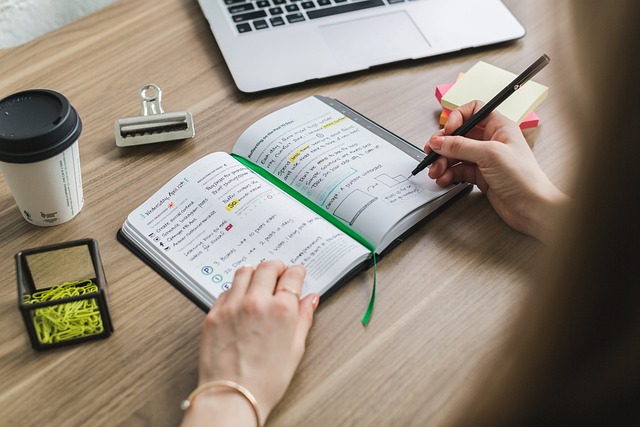
Home productivity is essential for well-being and performance. This webinar explains how to organize living space, structure daily time, minimize distractions, use digital tools efficiently, and establish effective morning routines.
The way we organize our homes has a direct and measurable impact on how we think, feel, and perform throughout the day. Research published in the Journal of Environmental Psychology has demonstrated that cluttered environments elevate cortisol levels, reduce the ability to focus, and diminish overall satisfaction with living spaces. Conversely, well-organized homes promote clarity, reduce decision fatigue, and create conditions where productive habits can flourish naturally.
Since 2020, the boundaries between work and home life have shifted significantly for millions of people. Remote and hybrid work arrangements have become standard for many professionals, yet few have received formal guidance on how to create a home environment that supports sustained focus and efficiency. Morning routines, workspace design, digital notification management, and structured scheduling all play critical roles in maintaining productivity outside a traditional office setting.
This webinar series addresses these challenges by offering structured, evidence-based guidance that participants can apply regardless of their living situation, household size, or professional background. The content draws on cognitive science, behavioral research, and practical case studies to deliver strategies that work in real-world conditions, not just in theory.

Each session is designed to provide practical knowledge you can apply to your daily life. Below are the core areas explored throughout the webinar series.
Learn how to apply the capsule approach beyond your wardrobe. By curating essential items in every room, you reduce visual clutter and eliminate the mental burden of managing excess possessions. This method helps you identify what truly serves your daily needs versus what simply occupies space, leading to faster decision-making and a calmer atmosphere at home.
Smartphones and apps compete for your attention every waking hour. Digital minimalism is not about abandoning technology but about using it with intention. This section covers notification audits, app curation, screen time boundaries, and how to create digital environments that serve your goals rather than distract from them throughout the day.
Time-blocking assigns specific tasks to defined periods in your day, reducing the cognitive cost of deciding what to do next. This technique, studied extensively in productivity research, helps participants build realistic schedules that accommodate deep focus sessions, administrative tasks, breaks, and personal time without constant renegotiation.
From simple paper lists to sophisticated digital platforms, task tracking tools come in many forms. This section reviews different approaches to capturing, organizing, and completing tasks. You will learn how to choose a system that matches your personal workflow preferences, and how to maintain consistency without adding unnecessary complexity to your daily process.
Smart lighting, voice assistants, automated schedules, and connected thermostats can reduce friction in daily routines when configured thoughtfully. This section explores how to use home automation as a productivity tool rather than a novelty, covering practical setups that save time on repetitive tasks and support your daily flow from morning to evening.
How you start your morning sets the tone for the entire day. Research in behavioral science suggests that consistent morning rituals reduce anxiety, improve focus, and increase the likelihood of completing planned tasks. This section covers how to design a morning sequence that fits your lifestyle, energy patterns, and personal goals.
Every strategy and technique presented in this webinar series is grounded in published research from reputable academic sources. We draw from the Journal of Organizational Behavior, Applied Psychology, the Journal of Environmental Psychology, and Behavioural Science and Policy to ensure that our content reflects current scientific understanding rather than anecdotal advice.
The webinar format combines structured presentations with interactive elements, including live exercises, case examples, and question-and-answer segments. This blended approach ensures that participants not only understand the concepts but also practice applying them during the sessions themselves. Our goal is to bridge the gap between academic knowledge and everyday application.
This project does not promote commercial services or products. All content is developed independently, and the focus remains entirely on providing participants with actionable, evidence-based knowledge they can use to improve their home environments and daily routines.
These core principles shape every aspect of our webinar content and delivery.
Every recommendation traces back to peer-reviewed research and established behavioral science frameworks, not personal opinions or trending advice from social media.
Strategies are designed to work for different living situations, budgets, and household compositions. No expensive tools or specific conditions are required to benefit from these sessions.
Each session includes exercises and examples that you can apply on the same day. The goal is tangible improvement in how you manage your space, time, and digital environment.
This webinar does not promote or endorse any commercial products, brands, or paid services. Our commitment is to unbiased, educational content that serves the participant.
This free webinar series is designed for anyone looking to improve how they organize their home and manage their daily schedule.
Professionals working from home who want to create better boundaries between work and personal life through structured space and time management.
Individuals managing family responsibilities who need practical systems to keep shared spaces organized and daily schedules on track.
Anyone studying from home who wants to build effective routines, reduce digital distractions, and create a focused environment for learning.
People curious about research-backed approaches to personal efficiency, time management, and creating systems that support long-term habit development.
The webinar runs across two dedicated sessions, each lasting 60 to 75 minutes and covering a distinct area of home productivity.
Session 1
October 8, 2026 âĸ 19:00 EET
Focuses on physical space optimization, capsule organization methods, creating functional zones in your home, and implementing digital minimalism strategies that reduce daily friction.
View full programSession 2
October 15, 2026 âĸ 19:00 EET
Covers time-blocking techniques, task tracker selection and usage, morning routine design, smart device integration, and includes interactive exercises with a live Q&A segment.
View full programThis project does not promote commercial services or products. All content is created with the sole purpose of educating participants about home productivity, time management, and organization strategies.
The webinar is provided for educational purposes only. The invited expert participates as a guest contributor.
Information presented during the sessions is intended for general knowledge. It is not professional, financial, or therapeutic advice. Participants are encouraged to seek qualified guidance for decisions related to their individual circumstances.
Register for our free educational webinar series and discover research-backed strategies for organizing your space and time in 2026.